



Welcome to The Design Loft #57
We know health is of value to us, but whether we are able to maintain and promote our health, live in healthy environments and contexts, or receive care and treatment as needed is largely a matter of design.
This is why understanding design matters. Whether it’s physiological, social and organizational, or mental/psychological health, we shape the contexts that shape us by design; good and bad.
At the foundation of design are three activities: 1) thinking, 2) making, and 3) deployment. Design activities span across these, although not always in equal measure. In this issue of The Design Loft, we’re going to look at these three as the introduction to a short short series on Design Foundations.
We shape the contexts that shape us, by design.
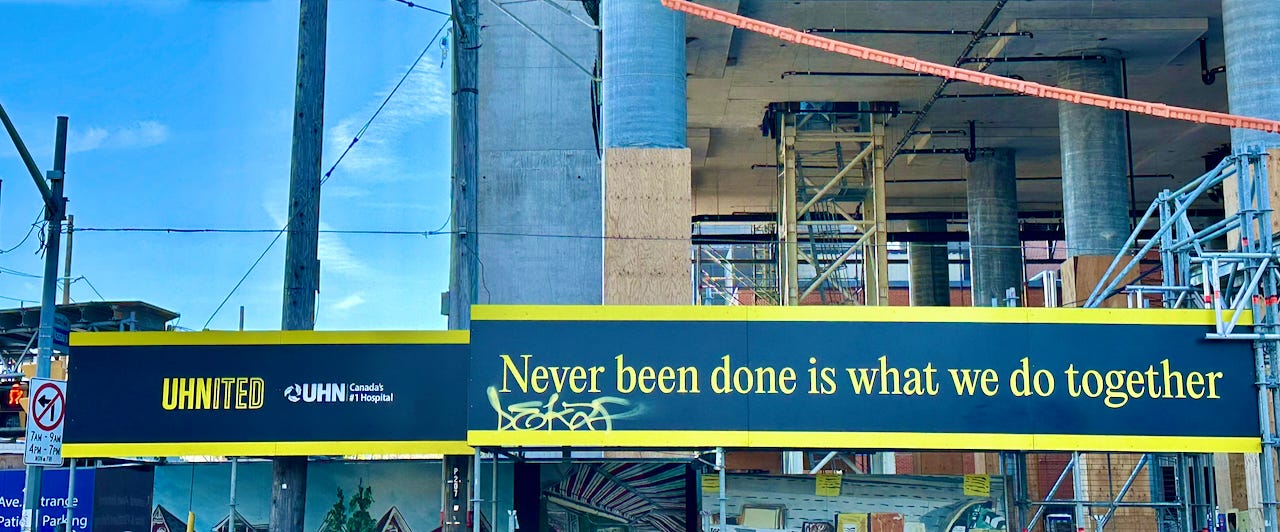
Building the Foundations of Design
The foundations of design are tied to the capacity for people to create things of value for humans and the planet. To create something means putting to form something that has originality or newness to it, which could be a slight adjustment or enhancement given to an existing design, or taking something from one context and transplanting that elsewhere.
The SCAMPER method, highlighted in our earlier issue is one example of an approach to creating things that can serve as a platform for designing solutions to problems we face.

Within these foundations of design are clusters of activities that help us find, frame, and eventually address problems we face in the world.
We first need to think about design. This is the basis for much of what has been known as design thinking. Within the context of this framework, design thinking comprises our capacity to notice things, identify problems and opportunities, research and explore these situations, envision possible futures, generate ideas and options, and enlist others in our cause.

We then need to take those ideas and transform them into something. Making is a key part of design and includes the use of materials and tools (which can be physical, social or digital), employ craft, shape our creations, tinker with them, and fit our final products into situations.

Lastly, we engage in deployment. This is about taking our ideas into the world, distributing and marketing them to whomever can benefit from them, share what we’ve done, persuade those in various positions to try and adopt what we make, and to both ensure that we implement our designs appropriately and assess or evaluate their effects and outcomes.
Within these three domains is the application of judgement, discernment, aesthetic appreciation, and taste that represent the foundations of design. Lest anyone think these activities are about merely decorative additions, our ability to make informed, strategic choices about what to make and how, are vital to ensuring what we make is effective and makes the difference we seek. At the very least, it ensures that our work does the most good with the least harm afforded by the situation.
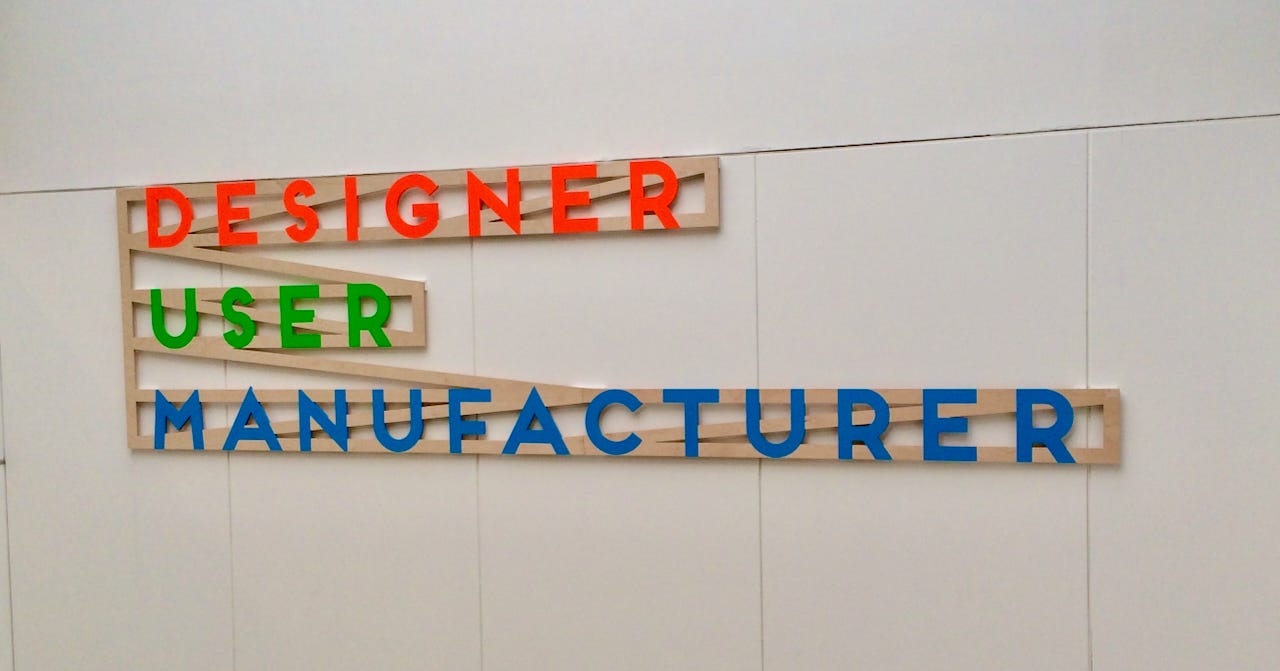
Designing Design
There’s a terrible definition of design by one of the great thinkers and scholars of design studies that goes:
“Design is to design a design to produce a design”.
John Heskett
I suspect Heskett was trying to provoke discussion about what design is and does through this quote, pointing to the way in which design represents many different things at once. I take this provocation seriously, but not this sentence.
Design is process. It is the journey of problem discovery, thinking about it, conceiving possible solutions, and creating plans. It is a process of uncovering problems, needs, options, and connections that link humans, their environments, and contexts with materials and relationships that tie them together.
Design is making. The craft of making something — from a product to a service to a system or policy — all requires working with materials, tools and people to shape and put form to our thinking. Sometimes, what we make are strategies and pathways for things to happen within systems.
Design is delivering. It’s one thing to find problems and conceive of and shape possible solutions, but things don’t change unless we deliver something of value that comes from our efforts. Strategy doesn’t matter if it’s not put into practice.
Design is also a profession. We are all designers, and some of us are professional designers. Some of us — paid professional or those who are professional-grade — are trained in design thinking, methods, tools, and production. If you’re a pro, it means you have real stakes in ensuring what is generated matters.
The Design Loft was founded to help those of you reading who make things that matter, level up your knowledge, skills, and awareness. Whether your professional title includes “designer” or not, if you have stakes in the designs you make (i.e., your reputation relies on it or others are depending on you to create something) this applies to you.
Many of those working to promote health and deliver healthcare are designing programs, services, and delivery models where there are stakes for them (reputation, risk) and for those they serve (patients, caregivers, colleagues, the community).
In our coming issues, we will explore these three foundations in the context of the practice of judgement, discernment, aesthetics, and taste.
We will look at what it means to think (process), make, deploy (deliver), and what it means to practice design with a level of professionalism that makes a difference to health and wellbeing. As noted (pun!) in our last issue, I’ll also continue to be posting articles and interesting finds from Substack and beyond using Notes on this platform. Specifically, I’ll be adding a practice notes section as well to most upcoming posts as well as on Notes.
Let’s elevate health by creating better designs through building a foundation. In our next issue, we’ll take this further.
Thanks for reading.
Image credits: Cameron Norman (author)