


Welcome to The Design Loft! This week, I’m going to focus on one big idea, and that is about design and why it matters. If you’re reading this, you probably already believe it matters somewhat. But I hope that today’s lesson will illustrate why using the language, skills, tools, and mindset of design is far too important to be left just to those who call themselves designers.
I’d like you to consider yourself to be a designer, too.
That mission — to help you make things better by making better things (to be and become a designer) — is what The Design Loft is all about. So today, let’s go on a journey through the idea of design and why it matters and let’s start by recognizing that to design is to be human.
Design is what makes the cafe pictured above a place of quiet contemplation with a nice beverage, a social hub, or just a place to grab a coffee. How we create the spaces, services, experiences, and products is all about designing for humans and that means it matters a lot.

To Design Is To Be Human
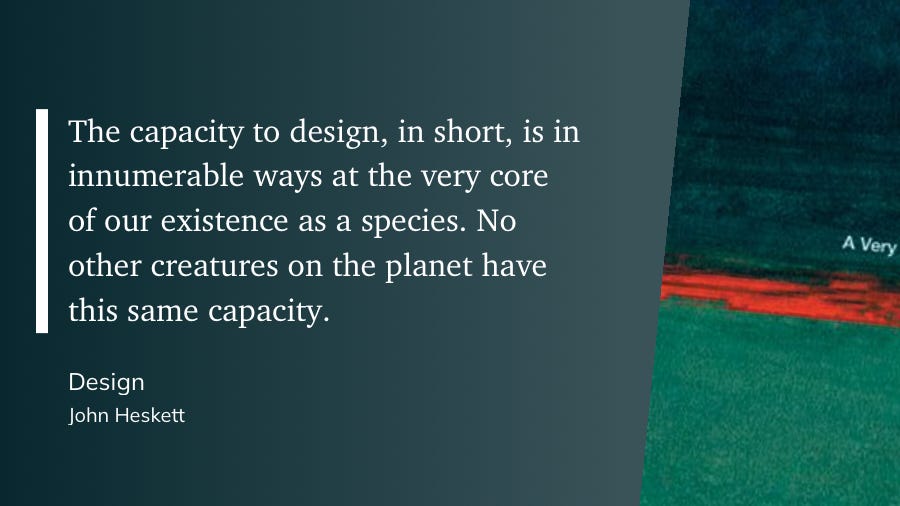
The late design scholar John Heskett argues that to design is to be human. Heskett’s work is widely cited and focused on the core elements of what it means to design.
Other creatures make things, but they lack the combination of intention, feedback, and flexibility that makes humans unique in their design capacity. Birds make well-crafted nests and can sustain threats from predators and the environment while remaining nurturing and protective of their chicks. Some birds will use their nest-making ability to attract mates. But they can’t make much else.
Nor can they take requests from others to make things. A bird can’t apply its skill at nest-building to create different styles and types of nests, homes, or spaces for birds.
We humans use a mix of observational learning, empathy, futuring and design thinking (see TDL6) to anticipate what might work to create what will work.
New and Real Things
The central concern of Design is ‘the conception and realisation of new things’. It encompasses the appreciation of ‘material culture’ and the application of the ‘the arts of planning, inventing, making and doing’. - John Heskett, Designerly Ways of Knowing
There’s a misconception tied to design’s focus on creating new things. While it’s true that design energy can easily be channelled into consumerism, materialism and innovation fetishism, the focus on new is about new in context.
When Heskett says material culture, he refers to making tangible things. Heskett’s choice of phrase is somewhat ill-fitting when we think of service design or digital products there is a lack of physicality to them. Yet, design is about making things we can touch, feel, or experience - things that are real. To cite Bruce Mau’s criteria for design outcomes: great design inspires us. That inspiration might be to use, change, or act on something — but it has to be real. (even if it is just a real feeling).
Whether you’re an economist creating stories to explain how the economy works with data, a teacher crafting a lesson plan for your students, or a therapist developing a care pathway for your clients, you are designing. You are creating something new for someone in context to inspire them to act based on what you’ve created (or co-created) with and for them.
You might be drawing on ancient wisdom, traditional methods, or well-honed practices, but there is still a newness to your designs because you are making them for someone. And that someone exists in the present context with their own set of issues, situations, and experiences that are unique to them (even if they have been repeated many times over). It’s like approaching the world through the eyes of a child: we all have a first time doing things we never did before that eventually become second nature.
Design is recognizing that people are different, situations are different, and that the best designs are fit for purpose for the time, context, and space we’re in now. That means always creating ‘new’ things even when we draw on established knowledge, tools, skills, and wisdom.
Design Outcomes

The last part of this lesson is focused on outcomes. You only know that something was used — whether inspiration was achieved — if you evaluate what you did. It’s also essential to understand how something was used. Evaluation can help us with both of these.
Evaluation and design can focus on three things:
Inspiration. Inspiration means that something focuses attention, creates delight, or attracts energy. For example, creating a negative opt-in to organ donation on driver’s license renewal forms vastly increases the donor pool. Even with something benign like a form adjustment, Inspiration is an outcome.
Utility. Use is the second key metric. Design is about being fit for purpose; if there is a poor fit, the benefits will also be poor. A great design fits the purpose for what it was designed for and is useful. It is a failure if your design is not used, no matter how functional, attractive, or conceptually sound it might be.
Values. The alignment of your design with your organization's values is critical to ensuring that the benefits you accrue are the ones you want. If you value sustainability and responsibility, your design must reflect that. To illustrate, if you’re a company or organization that stands for human rights, your policies and practices must be reflected in their design and implementation.
Try This
Take something you do that has meaning for you and connects with others, and imagine what that looks like from different points of view, such as your customers/clients, your partners, your teammates, or someone else who touches what you’ve created. Ask yourself: where does inspiration lie in these relationships? How is the design used? What values do those who engage with our design have, and what values are reflected in the design with those groups?
If you can answer these, you’ll see why design matters. Thanks for reading. Do you have questions? Send them along, or add them to the comments.
References
If you’re interested in design and want to understand why it matters and how to evaluate it, consider these:
Three metrics for Design Evaluation. This post I wrote highlights the three points raised above and brings in the Design Helix to frame how we ask and answer the questions of how to evaluate design.
Evaluation and Design: Language for Innovation. This Censemaking post looks at the language of design and influence and how we can connect the two together.
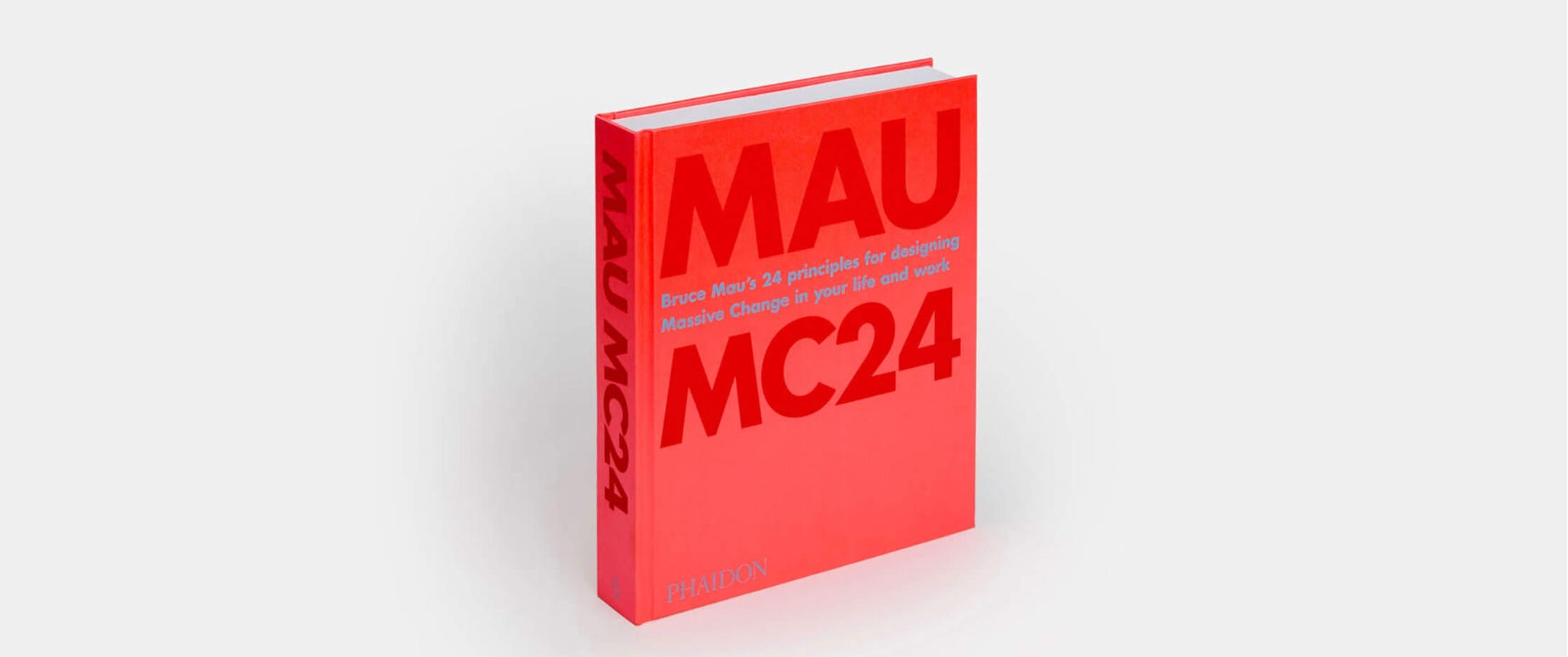
MC24: Bruce Mau and his studio have created a stunning, practical, and powerful manual for how to think, act, and collaborate for massive change and impact.
Design Matters (podcast). Debbie Millman’s long-running podcast is where you need to put your ears if you want to know all about why design matters.
Thanks for reading! See you next time in the Design Loft.