


Welcome to The Design Loft! We look at the art and science of designing things for impact (and how to know you’ve made a difference). We combine lessons from the field of design with the science and practice of evaluation to help you improve things by making better things.
When you’re creating something, it’s always for the future. You might design a product (like a newsletter or a chair), a process (a marketing campaign, an evaluation of a program), a service (a coffee bar or a bike repair), or a policy (like a workplace scheduling policy or a funding policy) — but all of these are for the future. We create now to reap the benefits in the future, whether that is in five minutes, five months or five years.
All of this is a mystery. So, how do great designers figure out how to create great things for a future they can’t be sure of? The answer is research. Specifically, something called design research and futuring & foresight. These two approaches to gathering, analyzing, and synthesizing data into insights or patterns are what allow us to have the great things we use today possible. Someone did their homework.
Today, we look at design research. We’ll also look at some great resources from others.
Elevated Ideas: Links of Interest
Infrastructure support is a hidden facilitator of impact and critical for systems design. In this AEA365 post, Kristen Quinlan, from the Education Development Center (EDC), shows how to capture critical metrics to know if you have it or if you don’t.
What if you could turn your worst ideas into something useful? Using “reverse thinking,” this method was used by the National Gallery of Art to derive design options that helped them improve their services and work.
The latest Behavioral Design Podcast looks at the topic of designing for better health — from pill bottles to behaviour change and more — by incorporating behavioural insights with guest Aarthi Rao.
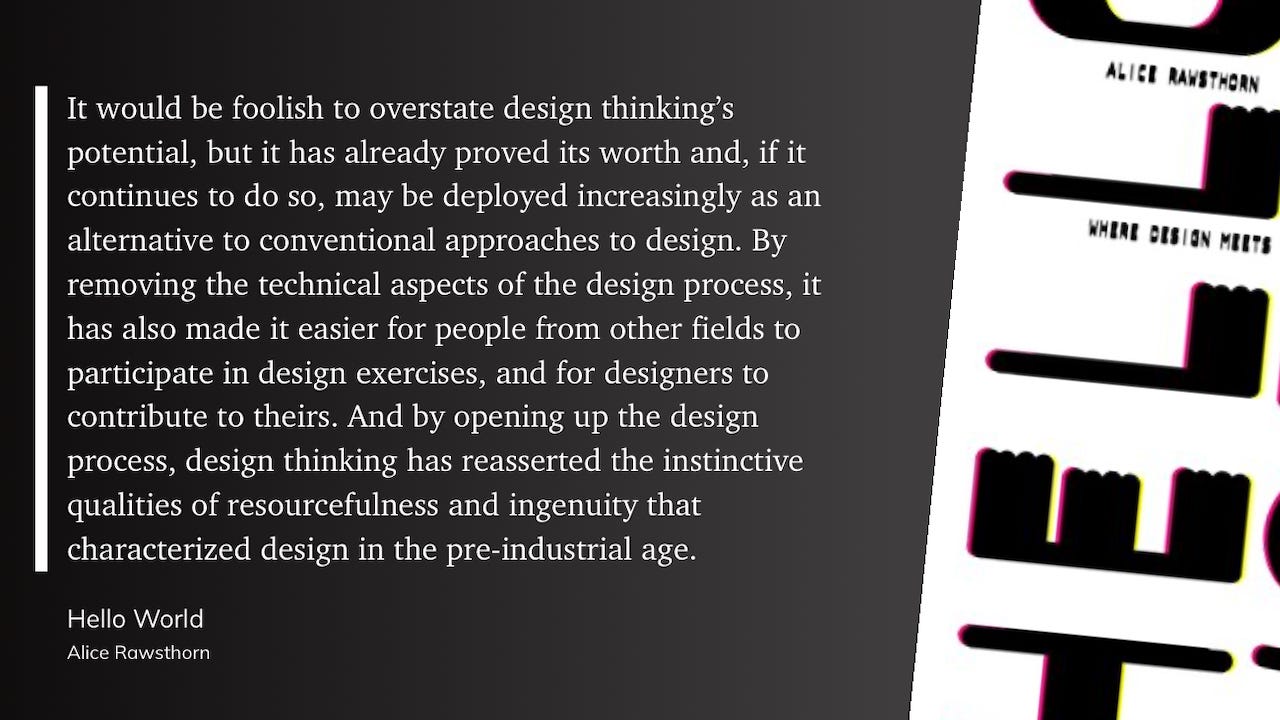
Maybe design thinking isn’t all it’s cracked up to be. Or maybe we’re not using it right. In this provocative piece in the Stanford Social Innovation Review, the question is raised whether Design Thinking has missed its mark. What do you think?
My alma mater — the graduate program in Strategic Foresight and Innovation at OCAD University — now has an online option, offering learners worldwide a chance to train, study, and connect to cutting-edge design methods, tools and teachers.
Failure is a good teacher if you’re ready to learn, and a core part of design. This podcast episode of Freakonomics unpacks the science behind learning from failure to help you make the most of your attempts — whether they were successful or not.
Lesson: Introducing Design Research
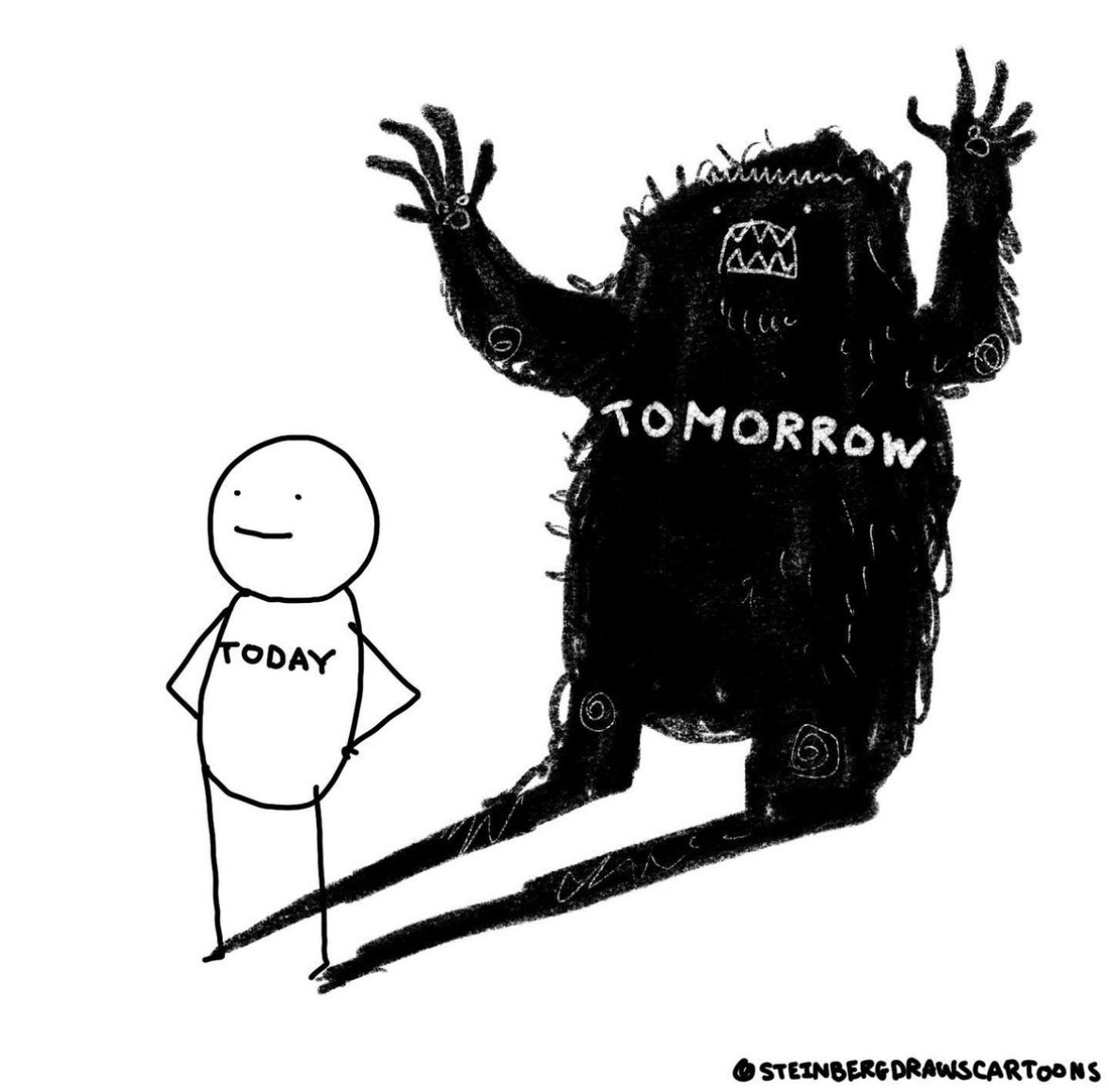
The future is unknown — a mystery. How do we design for it? How do we see things that don’t exist and imagine what we might need so that we can design for it?
That is what design research is all about. The primary goal of design research is to gain insights into user needs, behaviours, and preferences, ultimately creating more effective and useful designs for people and systems. We’ve covered some of the design research methods in previous issues, but we are looking at the idea of design research and how it works today.

Use Research
The core of design research is a set of methods and tools aimed at those we seek to serve with our design. Who might those people be, and what can we learn about how they live now, what they think, and what contexts they might use or engage with what we want to create? This is done by looking at present-day alternatives to the thing we wish to design for, a dive into the problems and circumstances that shape the need for what we are creating, and testing out our early ideas. These include:
Interviews: Conducting one-on-one or group interviews with potential users to gather information about their needs, goals, and pain points.
Surveys and Questionnaires: Administering structured surveys and questionnaires to a larger audience to collect quantitative data on user preferences and opinions.
Observational Research: Observing users in their everyday environment to gain insights into behaviours, routines, and interactions with products or services.
Usability Testing: Evaluating the usability of prototypes or existing designs by having users perform tasks while providing feedback.
Persona Development: Creating fictional user personas based on research data to represent potential archetypes and aid in design decision-making.
Journey Mapping: Visualizing the user's end-to-end experience with a product or service to identify pain points and opportunities for improvement.
Ethnographic Studies: Conducting in-depth cultural and social research to explore how users interact with products or services within their broader context.
Co-creation Workshops: Collaborating with users, stakeholders, and designers in workshops to collectively generate new ideas and refine concepts.
These inform what we might create. But what about the future itself? Are we going to be designing things that fit the future we are going into, not just the present we have now? For this, we need additional research methods.
“Skate to where the puck is going, not where it has been.” - attributed to Wayne Gretzky or his dad, Walter.
Futures and Strategic Foresight
In the design context, "futures" refer to a forward-thinking and speculative approach to envisioning possible future scenarios, trends, and innovations. Design futures are a strategic and creative approach employed by designers, businesses, and organizations to anticipate and prepare for potential changes in technology, culture, and society. This practice involves exploring and visualizing different future possibilities to inform present-day design decisions and strategies.
Some approaches to futuring include:
Scenario Building: Designers construct multiple scenarios or narratives about potential future situations, considering technological advancements, cultural shifts, environmental changes, and economic developments. This allows us to anticipate or envision what could happen.
Trend Analysis: Designers analyze current trends and emerging patterns to extrapolate potential future directions. This includes studying technological innovations, social movements, consumer behaviours, and market dynamics.
Speculative Design: Speculative design is a technique within design futures that involves creating tangible prototypes, products, or concepts in these future scenarios. These prototypes serve as artifacts to provoke discussions and explore the implications of different futures.
Design Fiction: Design fiction is a form of speculative design that uses storytelling and narrative to illustrate how future technologies or products might function and influence human behaviour. It blurs the line between reality and imagination to stimulate dialogue and critical thinking.
Together, these methods can help us get through the mystery of the future and find something to create grounded in data, even if it is of a world that hasn’t yet come to us.
I will look at this in more depth in issues to come. In the meantime, think about how you can better design for the future and get through the mystery of the unknown using research.
Thanks for reading!