



Welcome to another issue of The Design Loft, where we aim to elevate the impact of what you make and do.
In this issue, we ask: What if you used what you dislike to create something you love? That’s what’s behind Design for Awful, one of the most fun and surprisingly valuable approaches for group-based design. We’ve also got some links to resources to help you shape your creativity, impact and build evaluation skills.
Elevated Ideas: Links of Interest

You might have heard the term Design System, but what is it? In short, it’s a way of ensuring that you take a similar approach in planning, construction, look and feel to everything you do across an organization or product line. It helps you keep consistent, and this video from Dan Mall explains it all.
The Centre for Deep Self Design, led by Sunni Brown, takes a designerly approach to helping its members design themselves. This self-described regenerative social and educational space can help you to find and connect to your most authentic self by design.
Strategic Plans are usually linear, predictive documents that can be misaligned with reality. The NOBL Academy outlines how to take an adaptive approach to strategic planning that is more in line with a design approach for living systems and is much more useful as a result.
Interested in Systems Thinking and Design? The next RSD (Relating Systems Thinking and Design) conference is coming up. Registration is by donation, and participation is live in many locations and remote this year.
Evaluator, cartoonist, and designer Chris Lysy has some practical examples and tips for creating more interesting, useful annual reports using a single design to yield five different report types.
Are you looking for more on how to think like a designer? Today’s book recommendation is Creative Confidence from the Kelley brothers. Drawing on their experience leading IDEO and supporting design communities for more than 30 years, this book helps you frame your relationship with creativity to become more confident in creating things of value for others.
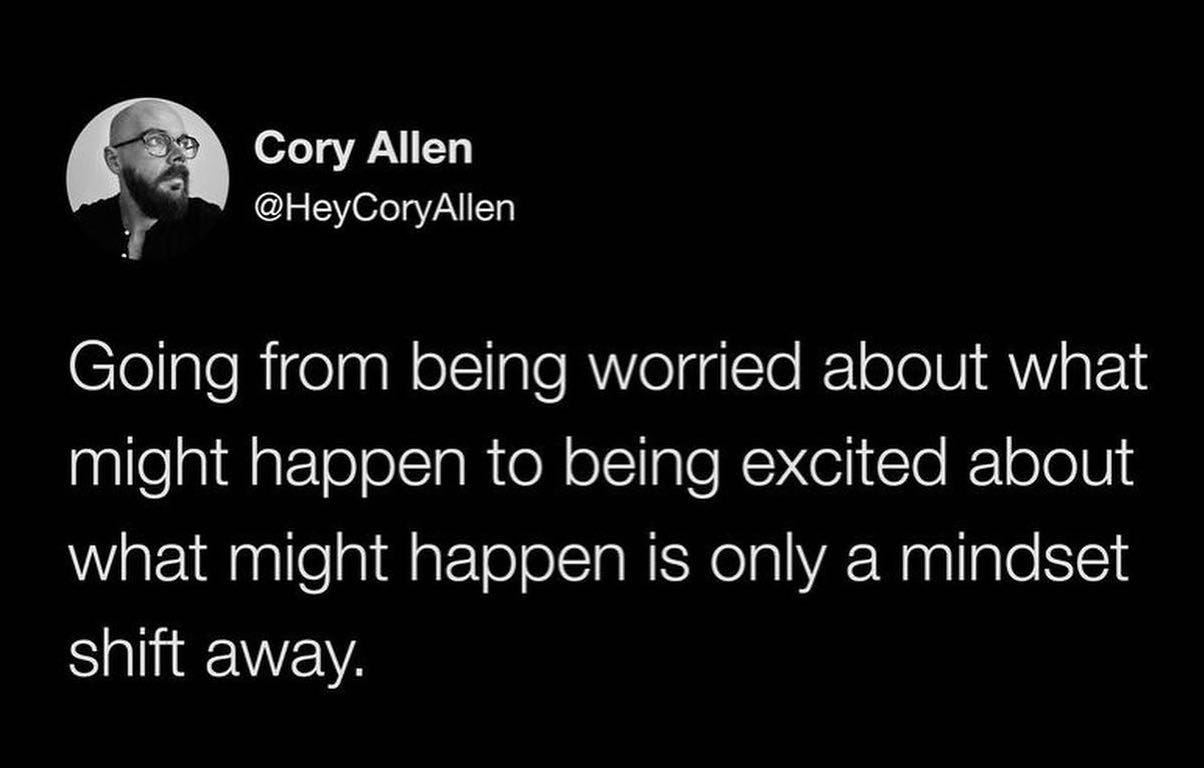
Lastly, a thought that got me thinking…
Today’s Lesson: Designing for Awful

Sometimes, recognizing what we don’t want in something allows us to see better what we want. Design For Awful is a simple technique that encourages us to explore desirable and effective features by considering what doesn’t work well and what we dislike. Sometimes, that means going to the extreme, and other times, it means inviting conversations about how different people and perspectives can come to use and engage with a product or service. It is a means to help us create the very best in something by imagining the worst.
Design Method Lesson: Design for Awful
WHAT: A method of identifying key positive or desirable factors to a design
HOW: Using unattractive, negative, or opposite qualities to highlight what ingredients are critical
WHY: Biases in our viewpoints can obscure use experiences that unintentionally lead to poor products
WHEN: Complicated, multifaceted service design contexts or novel product development
The slides from the lesson can be downloaded here. The link to watch the lesson and discussion is here.
Some additional resources to go further into the topic:
Ayse Birsel (2018). To Come Up With a Good Idea, Imagine the Worst Idea Possible. Harvard Business Review.
Design for Awful method review. This outlines the key features of the method.
National Gallery of Art. Why bad ideas lead to good ideas: using “reverse thinking” in a design sprint at the National Gallery of Art. A look at how designing for awful can be used to develop new ideas.
Good luck! If you have any questions about this method, feel free to add comments to this post or converse with me (and other Design Lofters) on Notes.
Thanks for reading and subscribing. Please share this with others and provide your thoughts on what you like and would love to see in future lessons or posts.