Welcome to The Design Loft, your weekly guide to elevating your impact by design - and through evaluation.
Have you ever said to someone you need to get out more? The Empathy Walk is all about that: it’s a way to walk with others and see their lives through their experience. In this issue of The Design Loft, we look at a technique called The Empathy Walk. It’s a structured way to explore spaces and places where being there, catching the vibe, and getting a feel for the place becomes essential to understanding people’s experience.
This simple, straightforward technique builds empathy and connection, getting us out of the office and into the world we want to create. That’s this week’s lesson.
We’ve also got some links to examples of design in practice, creativity enhancers, and tools to help you boost your change-making practice.
Thanks for subscribing and reading. Let’s elevate our impact together. - Cameron
Elevated Ideas: Links of Interest
Anna Valtonen has published a paper outlining how design is used to create change. It is a must-read for anyone who doubts how change-making is tied to design. Not that you don’t already know this, dear reader 😉.
In TDL1, we introduced you to Personas. Hubspot now has a design tool that helps you build them online.
Biodiversity loss affects the entire planet. Our products and practices affect how humans protect or poison our world, and this report from the Capgemini Research Institute has that in mind as it provides recommendations for what to do next.
One of those things we can do is visit Robin Wong’s Sustainable Design Toolkit. This framework helps change-makers understand sustainability, see opportunities, take action and design better things.
One week left before RSD 12 (Relating Systems Thinking and Design conference), connecting design and systems with panels and presentations delivered worldwide. Tickets are still available.
Kirk Clyne’s gorgeous short film Vast Denizens — entirely created using generative AI tools — will give you ideas of the depth and creative potential these have put in the hands of a designer. Kirks’ message: these tools are for all of us. Check it out.
Review: 99% Invisible
This week’s resource review is for the seminal podcast, website and book: 99% Invisible. To quote them: 99% Invisible is a sound-rich, narrative podcast hosted by Roman Mars about all the thought that goes into the things we don’t think about — the unnoticed architecture and design that shape our world. This program reveals to us the power of design to influence our lives in ways that might be subtle or profound but often unremarked. Just listen to it for Roman Mars’ fantastic voice! I’m always left with a greater appreciation for how our world is constructed around us and inspired by what it means for us as change-makers.
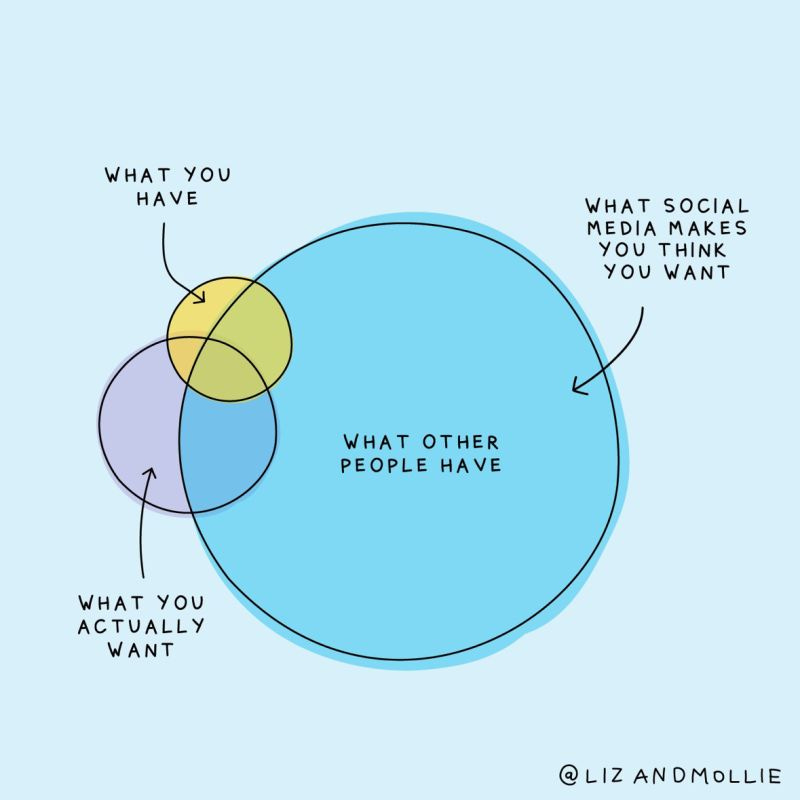
In the spirit of invisible design, Liz and Mollie leave little doubt about how our design choices affect our thoughts. Social comparison is a massive design driver.
Today’s Lesson: The Empathy Walk

Building empathy comes from seeing, hearing, and feeling someone’s perspective as closely as possible. By envisioning what someone’s life might be like, we can better understand what a person’s needs, wants, motivations and issues are in ways that can help us to match them with what we create. Whether this is designing a survey, a service, a product or a policy, empathy-building is a core part of design work.
The Empathy Walk brings you out of your studio, office, or classroom and takes you on a journey with the people you’re designing into their environment. You know that term “vibe”?; this is how you get closer to the vibe of someone’s situation. Today’s lesson walks you through a method devoted to walking, listening, and learning for design.
Design Method: The Empathy Walk
WHAT: Using physical space to guide understanding of a situation and people’s interaction with an environment
HOW: Literal walking within a space taking notes and engaging in discussion with people in the space
WHY: Physical proximity and the ‘feel’ of a space helps clarify relationships between people and spaces; provides new insights.
WHEN: Service design contexts or where understanding place-based situations are critical.
A link to the lesson is available here. These videos are hosted on Loom, which includes session transcripts (look at the upper right-hand corner) if you want to revisit or read through things.
The slides can be viewed and downloaded here as well. They’re always here for you.
In this additional short video, I’ve recorded some additional practice notes on using the Empathy Walk. These may be added to over time.
Resources on Empathy Building
Nick Van der Velde speaks about his experience using an Empathy Walk at this talk at TEDX Western.
Designing Your Own Empathy Walk with case studies on how its been used.
If you use Miro, there’s a Miro template designed to help you document and illustrate your empathy walk.
Much of the work on empathy-based design comes from the UX (user experience, digital design) world. UX Planet has a guide on how to use an empathy walk to create more useful products that is relevant to all kinds of things.
That’s it for another week hanging out in The Design Loft. If you’re inclined, feel free to share your thoughts and comments using the link below or on chat (see here).
Thank you for reading, subscribing, and sharing The Design Loft with others you think might benefit. Now, elevate your impact by taking a walk!