



Welcome to the Design Loft!
It’s nearly impossible to read a news or social threat without seeing a mention of AI. OpenAI’s launch of the latest version of Sora two weeks ago has now brought the power of filmmaking to users with just a few typed phrases. It’s the latest addition to a rapidly evolving landscape of tools and technologies aimed at reducing the barriers to making nearly anything (documents, videos, podcasts, or newsletters like this).
What does AI mean for the practice of making things, especially those things that matter to human health and wellbeing?
In this issue, I’m going to walk through some ways to think about AI in the context of design and making things that matter to us. I’m not taking a position on AI (good or bad), advocating for its use or avoidance, or teaching specific tools; instead, I'm providing a frame to help you be wise in developing your design skills.
There is much discussion out there about the nature of design and AI, with debate over whether AI designs, whether most people using AI are designing (and to what extent), and how to use AI to support thoughtful, practical, creative work. Check out the resources below for more on this. For our discussion here, I’m focusing on what it means for those trying to make sense of it in terms of their design journey.
I’m not teaching AI, but design thinking about AI.
Let’s get designing!
The Algorithmic Nature of Making Things
Artificial intelligence is fundamentally based on the use and development of algorithms based on data. As more data is generated, the algorithm changes to reflect those inputs. It’s why many of the generative AI tools you use “learn” your preferences as you use them.
There are many parallels with traditional human-driven design.
Among the most central criticisms of corporate design thinking* approaches is their high reliance on frameworks and set tools. While useful for non-professional designers, these approaches create the first parallel to AI. We can develop a form of ‘algorithmic thinking’ in which there is an identified pattern, programming for that pattern, and a desire for reliable, consistent outcomes.
In other words, once you have the tools and frameworks, you keep applying them in a standardized way to generate a consistent output. This approach to design thinking* is to take the tools and strategies used to make things in one context, create a playbook that someone can follow, and then apply them consistently.
This will work, but it can also lead to a very narrow set of applications around design. For more on design thinking, Cense’s toolkit series includes a primer on the main models in use, including The Design Helix. We also have a briefing note for those interested in critiques of these models and design thinking.
* Design Thinking at The Design Loft is used both as a means of describing a set of practices and approaches to making things (designing), and as a means of thinking about our design work, methods, tools, and outcomes.*

From Algorithm to Intention
Tools and frameworks can also be used with less rigidity and more as a guide. Frameworks like The Design Helix are meant to be descriptive, not prescriptive, to serve as a guide for those looking to learn how to design for living systems. Others are more prescriptive.
The risk of using a prescriptive approach is that it misses many aspects of designing for humans and living systems (organizations, communities, and teams) that don’t fit easily into these frameworks. This is the part of systems thinking and design that is often inconvenient because it fails to fit models that can be sold and used repeatedly. This is what AI sells us: repeatable models.
There are times when repetition has benefits. Enterprise-level service design often demands consistent outputs. Retail and restaurant chains are examples of models that are largely consistent and designed for replication. Yet, we see.
A recent conversation with chef and entrepreneur David Chang and Guy Kawasaki on Guy’s Remarkable People podcast points to this problem: most (great) food experiences don’t scale. The template approach to designing products and services doesn’t work when you go beyond the narrow confines of fast- or pre-packaged foods.
What AI offers designers is the equivalent of fast food. Is that what you’re designing for? (There’s nothing wrong with it if you are, but know that’s what you’re creating). Design is about intention — so understand yours.
The Craft of Design
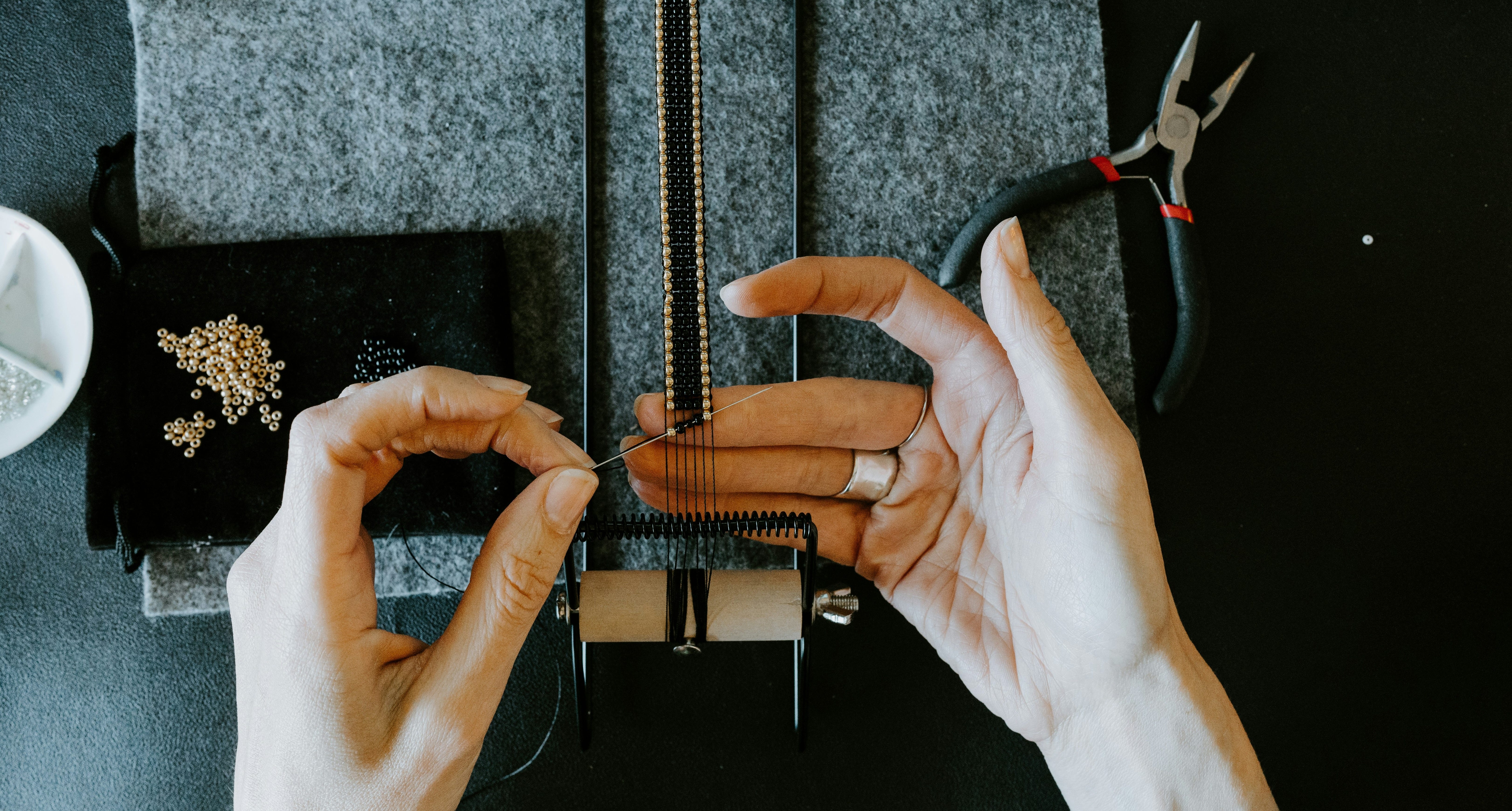
Where AI doesn’t work — or work well — is in supporting the craft of design. The act of making something requires a level of care, reflection, and attention that isn’t fit for generative prompts. While there is a skill to prompt development, it — like much online — is flat and relatively unidimensional. Designing a service, product, or policy requires engagement with people, ideas, and techniques.
We grow through the thinking and making; it allows us to evolve. It also grants you deeper insight into the foundations of what you make. As a professional designer and strategic design consultant, I’ve seen it happen many times where people leading a program have little idea of what went into its creation. They are looking to enhance, redesign, and evaluate something they know little about.
Craft is the skill required for making things. Family medicine practitioners know what aspects of their work are more algorithmic or standardized and where there is an art to the practice. Craft is about the art. It’s about what you become through the act of making something, not just about what is made. This is what The Design Loft is all about.
If you’re looking to use AI in your work, be aware that the skill benefits and insights into the product itself will be thin. This is not a statement on the product itself (some AI-generated content is just fine for what’s needed), but be aware that in complex, dynamic conditions, an algorithm will always be following you based on the past. Only humans have the imagination and means to ‘see’ into potential futures and design for that. That’s where human-based design comes in.
What do you think?
Let me know what your experience with AI is. What kind of skills, craft and experience using it as a tool or an adjunct do you see in your work? How might you become a skilled designer with AI (and without)?
Thanks for reading.
Our deeper dive training on AI and design is part of the experience for paid members. Intrigued? You can sign up now.
Resources
The fantastic Design & Critical Thinking community organized through Slack and the mindful stewardship of Kevin Richard has many thoughtful posts and discussions on ways in which AI and design interact.
A recent post by Krasi Bozhinkova does a great job of discussing how AI has stopped being used as a tool and now plays “roles” in our interactions.
For critiques of design thinking, see our Briefing Note #1.
Couldn't agree more. This is such a smart way to frame the AI discussion. How do you see this evolving for personel projects?