Welcome to The Design Loft #56.
Let’s paint a picture of health. Not literally, but figuratively.
This expression should immediately present you with ideas and an imaginary experience of what it means to portray health. Give yourself a moment and visualize what this painting looks like.
Yet, what does health look like? How would we know what it is if we’ve never seen it? Or have we seen it before — in our minds eye, in our experience, or in the life we’ve live and the support we’ve given to the lives of others?
The point is that we will have opinions, ideas, and perspectives on this idea of what health is and how it is to be (or could be) represented. It doesn’t have to be based on anything we’ve witnessed before, only what we can conjure in our mind. That is the power of art.
I asked a simple question, and you had an emotional reaction to it. That’s the power of what artists bring. In today’s issue, we look at art and its place in design for health.
The Practice of Art
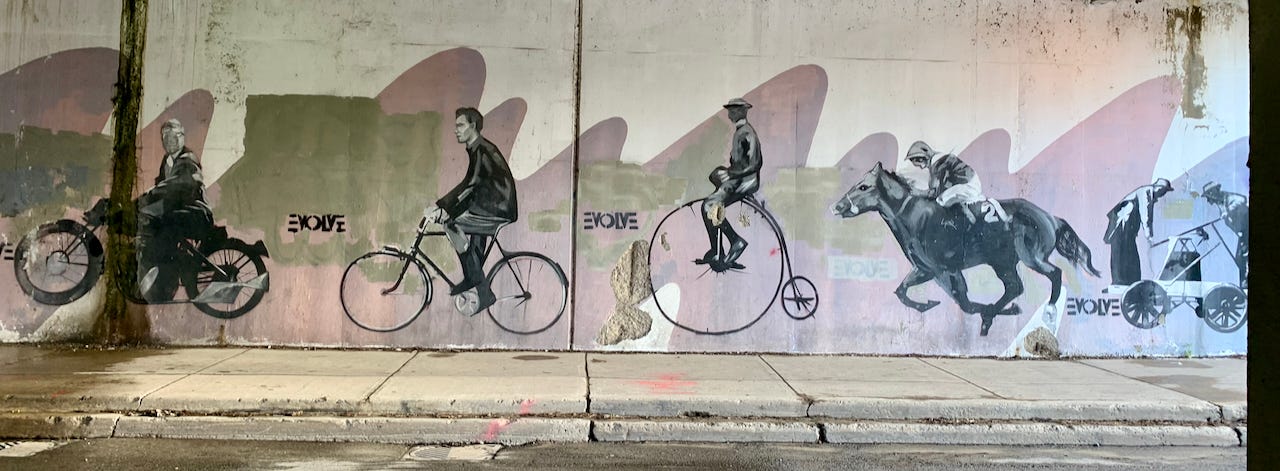
This piece is not about how to be an artist, nor is it about bringing more creativity to healthcare and health promoting work. It’s about what it means to learn from artists work. It’s not about technique, the medium of choice, the aesthetic influences, or the sources of inspiration. (This is all valuable, some of it has been covered in previous lessons, but that’s for another time).

It’s about the practice and what we can learn from that. Specifically, it is how artists work with five key features of what it means to create, maintain, and design for health.
Attention. We have a poverty of attention. For artists, they know that attention is the prize for any work — visual, movement, music or otherwise. If you ignore the work, the art is meaningless. Artists know how to grab attention and hold it. Maybe it’s to engage, pique interest, enrage, perplex, delight, relax or puzzle — whatever it is, artists know how to make things we pay attention to.
Emotion. One reason they can engage us is that art appeals to emotion. It invokes feelings and works from the perspective that we feel our way through the world, not just think about it. It’s connecting the heart to the head and the means in which we do this by stimulating something in us to feel. If we can’t feel or connect to the feelings we have about health and care, what can we?
Senses. Art doesn’t just get us out of our heads, it gets us back into our bodies. It invites us to sense — feel emotionally, maybe literally — things through creating things that are visual, auditory, textual, or olfactory. Much art is about bringing together different facets of sensory experiences like dance and music together, or the way lighting is used to help showcase a painting or to be a part of the work itself as it is in photography.
Space. Artists work in space. Whether it’s on a stage, or in a gallery, or out in the city or countryside. Art is about using space and working within space to shape an experience for the audience of the work. In health, our spaces and places are where we practice, they produce health, contribute to illness, and shape recovery, healing, and reflection. We rarely consider what these spaces are, yet they play such an important role in shaping what is done. Artists recognize the value of the studio and the gallery, the soundstage and the seats in the audience. They know that it’s not just the musical instruments, but where and how we listen.
Show. Art exists for someone. Maybe that’s only one person, or maybe it’s for the world. Artists create with an aim to show what they do and have done to the world. Art only works when it ships — somewhere to someone. It’s too easy to assume that if we are in the health business so it doesn’t matter whether or how we ‘reach’ or present ourselves to those in need. Yet, even the information desk at a cancer centre or primary health care clinic can benefit from hospitality and showmanship that engages people, welcomes them, and showcases what’s needed in that moment.
Thinking like an artist can make us a better designer. When we bring these features into our work, we see, create, and act differently in ways that enlist and engage people— and that’s what designing is about.
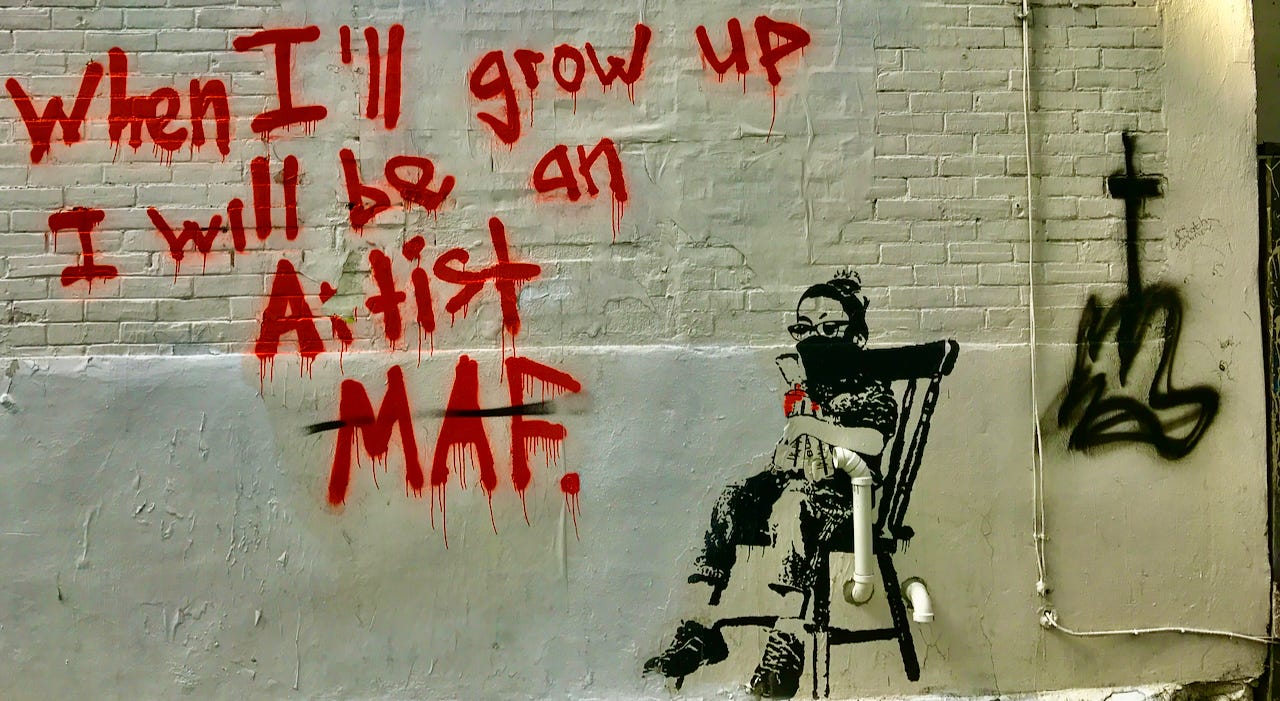
Thanks for reading! Now become that artist; you’ve grown up.